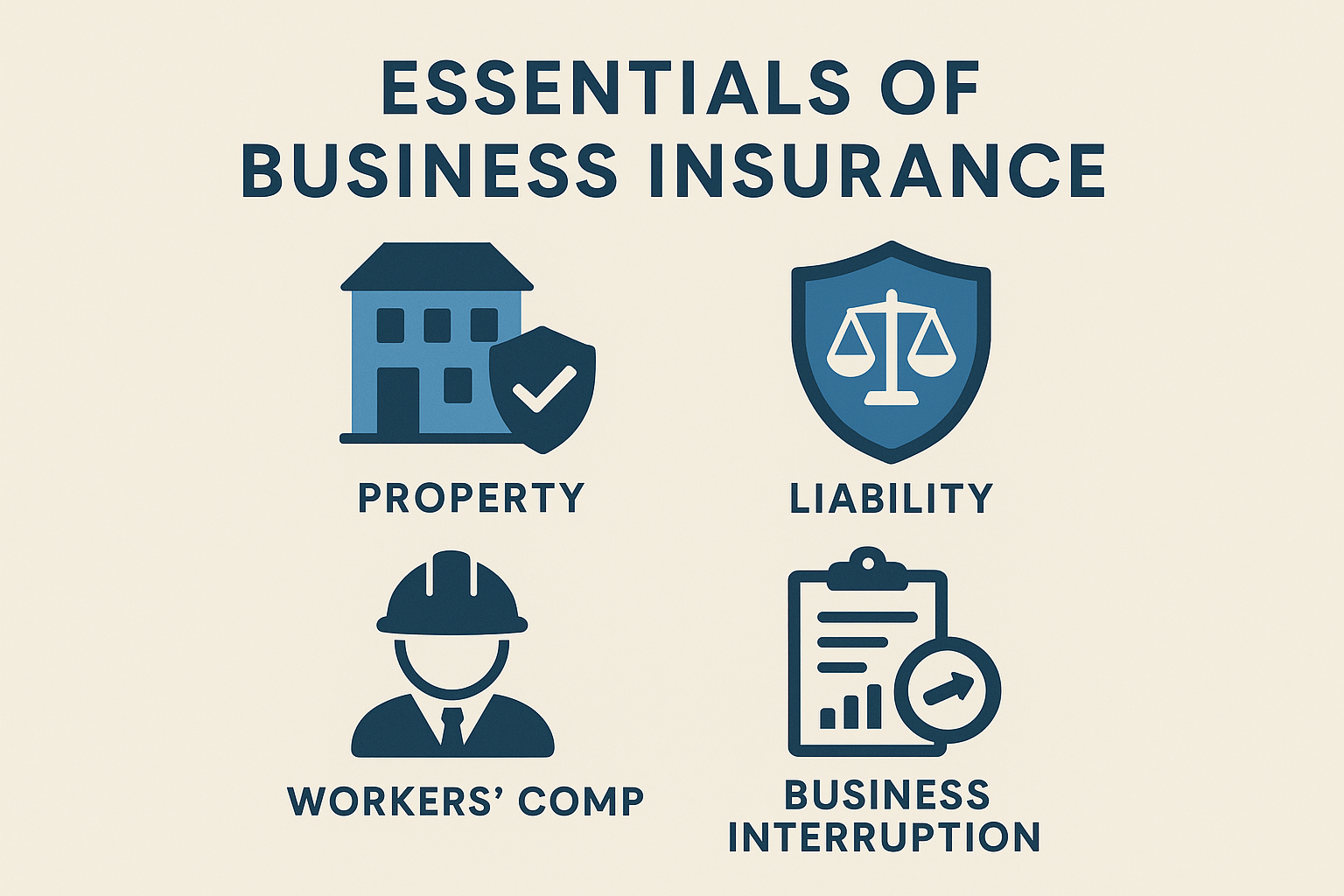
Business insurance is a crucial part of running any company. Owners face risks every day, from lawsuits to property damage. Because of these uncertainties, understanding how insurance protects your business is essential. Many new entrepreneurs overlook the details until a problem arises, but it is always better to be prepared. The right coverage can help your business avoid unexpected losses and move forward with confidence. Essentials of Business Insurance are very important.
Exploring the Fundamentals of Business Insurance Coverage
Business insurance provides a safety net against unforeseen events. Many companies rely on it to protect their assets, employees, and reputation. Since risks vary across industries, insurance policies offer tailored solutions for each business type. By working with an insurance provider, you can identify the most important areas of your company that need protection.
Moreover, business insurance covers more than just physical property. Liability coverage protects you from lawsuits and legal claims, which can arise from accidents or mistakes. For instance, a customer slipping in your store or a client unhappy with your service can lead to costly settlements. Instead of paying out of pocket, insurance helps cover these expenses and keeps your finances stable.
In addition, many contracts and partnerships require proof of insurance. When you work with other companies, they often want assurance that you can handle any mishaps. Having the right insurance coverage increases your credibility and helps build stronger business relationships. Therefore, understanding the basics of business insurance is important for growth and security.
Evaluating Different Types of Business Insurance Policies
Various insurance policies cater to different needs, so it is vital to know which ones suit your business. General liability insurance is one of the most common policies, as it covers injuries and property damage. If your business owns valuable equipment or a physical location, property insurance helps protect those assets from fire, theft, and vandalism. Each policy addresses specific risks, so you should evaluate your company’s unique needs.
Furthermore, businesses that offer professional services might require professional liability insurance. This type of policy helps cover mistakes or negligence in your services, which can lead to financial losses for clients. Many professionals, such as consultants or accountants, rely on this coverage to avoid costly lawsuits. As your business evolves, you may also need to consider cyber insurance for data breaches or business interruption insurance for unexpected closures. These are the Essentials of Business Insurance.
Workers’ compensation insurance plays a major role for companies with employees. This policy covers medical expenses and lost wages if a worker gets injured on the job. Not only does it protect your staff, but it also shields your business from potential lawsuits. By exploring all policy options, you can build a comprehensive insurance plan that addresses every challenge your business might face.
Assessing Risks and Choosing the Right Insurance Plans
Every business faces its own set of risks, so it is important to conduct a thorough risk assessment. You can start by listing potential hazards that could harm your operations, such as natural disasters, theft, or cyberattacks. After identifying these threats, you can prioritize which risks need the most coverage. This step ensures your insurance plan is tailored to your specific vulnerabilities.
Additionally, you should consult with an insurance agent or broker who understands your industry. They can provide guidance on policies that offer the best protection for your company’s needs. For instance, a restaurant might need more coverage for food spoilage, while a tech firm may focus on data security. By using expert advice, you avoid coverage gaps and ensure your business stays protected.
As your company grows, your risks may change. Therefore, you should review your insurance plans regularly and adjust them as needed. Maintaining up-to-date coverage protects your investments and helps you stay compliant with legal requirements. With the right approach, you can choose insurance plans that offer complete peace of mind.
Key Elements Included in Standard Business Insurance
Standard business insurance policies include several essential elements. First, property insurance protects your buildings, equipment, and inventory from damage or loss. Fire, storms, and theft are common dangers that this coverage addresses. Without it, replacing lost assets could put a huge strain on your finances.
Secondly, liability coverage is a core part of most business insurance plans. This protects you if someone gets hurt on your premises or if your product causes harm. Legal fees and settlement costs can be overwhelming, but liability insurance helps manage these expenses. It ensures your company can continue operating even after an unexpected incident.
Many standard policies also offer business interruption coverage. If your company needs to close temporarily due to a covered event, this insurance helps replace lost income. It allows you to pay bills, support employees, and recover more quickly. By understanding these key elements, you can make sure your insurance plan covers all the essentials.
Common Exclusions and Limitations in Coverage Terms
While business insurance covers many risks, it also has exclusions and limitations. Certain events, such as floods or earthquakes, may not be included in a standard policy. If your business operates in an area prone to these disasters, you might need extra coverage. Knowing what your policy does not cover helps you avoid unpleasant surprises later.
Additionally, most policies have coverage limits, which set the maximum amount the insurer will pay for a claim. If damages exceed this limit, you must cover the remaining costs. For example, high-value equipment or inventory may require special endorsements or higher coverage amounts. By reviewing these limits, you can make informed decisions about your protection.
Intentional acts or illegal activities are almost always excluded from coverage. Essentials of Business Insurance: If a loss results from fraud or criminal activity, insurance will not cover it. Understanding these restrictions helps you stay compliant and avoid denied claims. Regularly reading your policy’s fine print ensures you know exactly where your coverage stands.
The Claims Process and Tips for Managing Your Policies
Filing a business insurance claim involves several important steps. First, you should notify your insurer as soon as an incident occurs. Provide detailed information, including photos and documentation, to support your claim. Clear communication helps speed up the process and ensures nothing gets overlooked.
Next, work closely with your insurance adjuster to assess the damage or loss. The adjuster will investigate the claim and determine how much the company will pay. Keeping careful records of your correspondence and any expenses related to the claim can make the process smoother. In some cases, the insurer may request additional information or documentation, so be prepared to respond promptly.
To manage your policies effectively, review your coverage every year and update it as your business grows. Store copies of all insurance documents in a safe and accessible place. Regular communication with your insurance provider helps you stay informed about policy changes or new coverage options. By staying organized and proactive, you can handle claims confidently and keep your business protected.
Conclusion: Essentials of Business Insurance
Business insurance is not just an added expense; it is an investment in your company’s stability and future. Many business owners underestimate the importance of having the right coverage until they face an unexpected setback. By taking the time to understand your insurance policies, you can protect your assets, your employees, and your reputation. The process begins with knowing the basics, evaluating the right policies, and assessing your business’s unique risks. Consulting with experts helps you find tailored plans that match your needs and budget. Always pay close attention to exclusions and coverage limits to avoid surprises later. A well-organized approach to managing your policies and claims can save time and stress when challenges arise.